
AI Agents that Make Work Move
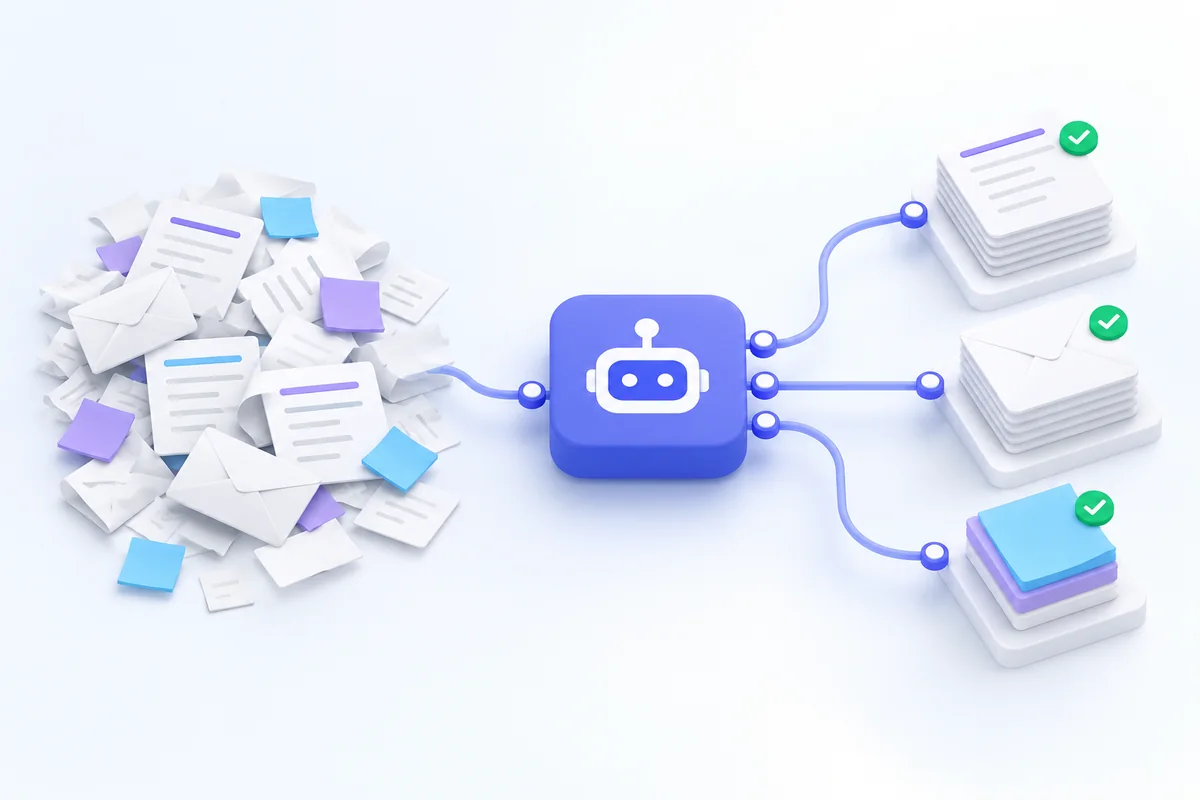
Most companies do not lack tools. They lack coordination.
Data sits across disconnected systems. Important tasks get handed off across multiple teams, creating friction. Small, repetitive actions quietly consume the time of your most capable people.
At the same time, AI is everywhere. But without orchestration, proper observability, and strict control points, AI deployment quickly becomes just another layer of complexity.
We saw teams scaling through manual effort and accumulating hidden operational costs. Agoobi was built to solve that exact gap.
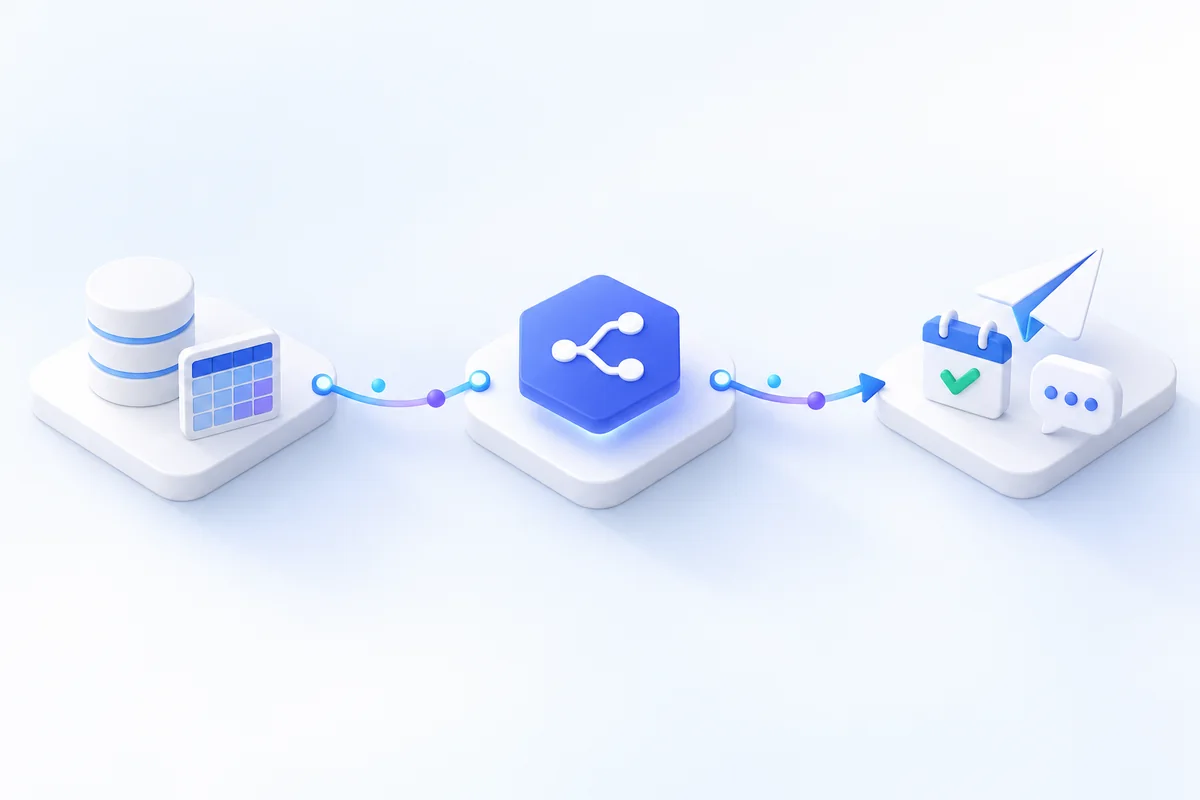
We design end-to-end orchestration from data, to decision, to action. The result is fewer operational errors and much faster decision cycles.
What does AGOOBI stand for?
The name captures our brand in one statement: we turn intelligence into dependable action.
AI / Agent-First
Action & Momentum
Orchestration
Beyond Intelligence
Our Philosophy
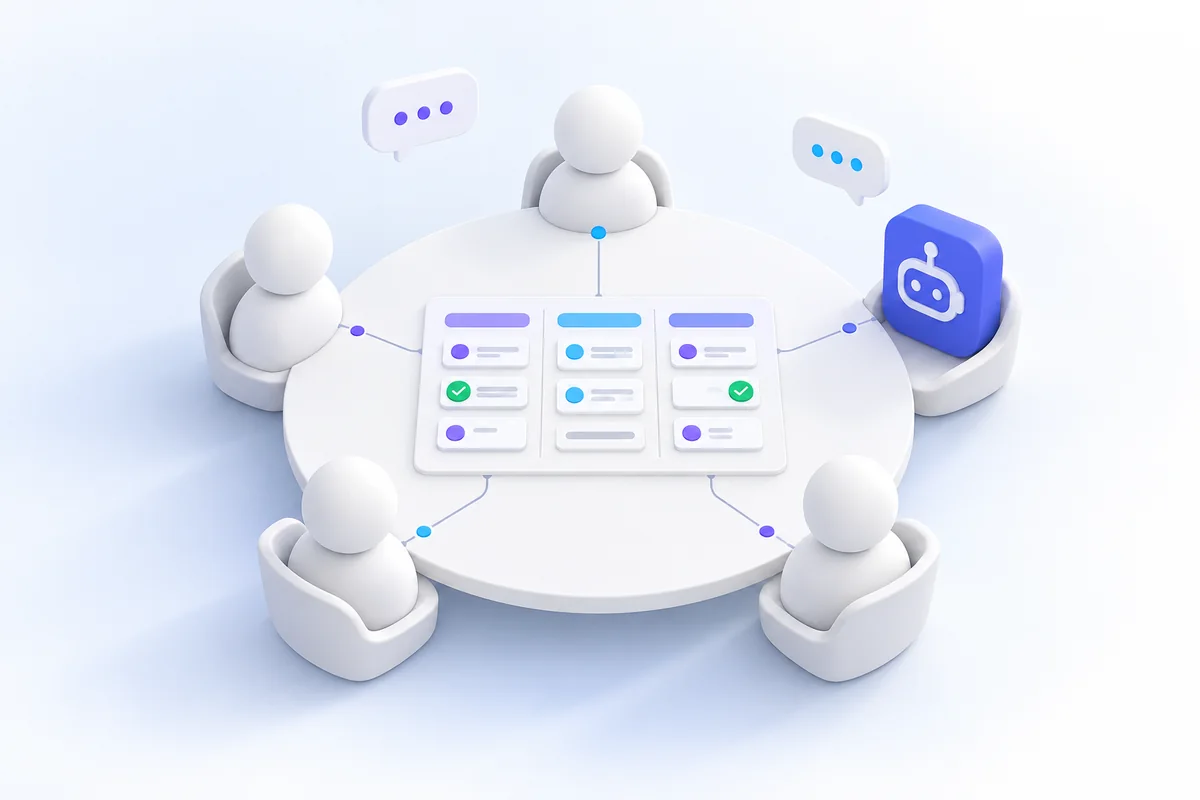
We believe the future is not “AI replacing people.” It is genuinely “AI elevating people.” When repetitive work is automated the right way, teams gain the capacity to think strategically, act creatively, and move faster where it matters most.
Our core values
Reliability First
Human in Control
Outcomes > Hype
Scalable Architecture
How Agoobi thinks about orchestration.
"Instead of disconnected AI tools, we design end-to-end orchestration from data to decision to action. The result is less manual execution, more reliable workflows, and teams with more capacity to focus on growth."

Frequently Asked Questions (FAQ)
Everything you need to know about the product and how it works. Can't find an answer? Chat to our team.
Unlike passive chatbots that rely on pre-written scripts, AI Agents have the ability to reason, analyze, and take proactive actions. Here is an overview:
| Aspect | Traditional Chatbots | AI Agents (Agoobi) |
|---|---|---|
| Learning | Limited to syntax rules | Continuously self-learning from data |
| Outcome | Text responses | Completed actions & Tasks |
The integration process is straightforward and standardized into 3 optimized phases:
- Step 1 - Audit (1-2 days): Analyzing your business's current workflow.
- Step 2 - Training (3-5 days): Fine-tuning the AI model with your proprietary data repository.
- Step 3 - Implementation (
1 month➔ 1 week): Automating connections to existing ERP/CRM systems.
Absolutely not! We aim for a "Code-free" experience for all employees through:
- An intuitive, visual dashboard interface.
- Using natural language to command the AI to operate.
- A-to-Z technical support from Agoobi’s expert engineering team.
We offer flexible, business-friendly investment packages rather than costly and risky one-time licensing fees. Agoobi's payment structure offers:
- A highly competitive fixed periodic maintenance fee.
- Service packages with no hidden extra costs, even if your periodic workload increases slightly.
We usually connect to the tools your team already uses: CRM, ERP, inboxes, spreadsheets, Slack/Teams, document folders, databases, and internal APIs.
| Layer | Examples | Role |
|---|---|---|
| Workflow | Slack, email, forms | Trigger and collaboration points |
| Business data | HubSpot, Sheets, ERP | Read, update, and validate records |
| Knowledge | Docs, PDFs, policies | Context for agent decisions |
No. Agoobi is designed as an automation layer around your current stack, not a forced software migration. We only recommend replacing a tool when it is clearly blocking the workflow.
- We map which systems each agent can access.
- We define read/write boundaries before deployment.
- Sensitive actions can require human approval or role-based review.
Yes. We design data access around your constraints: API permissions, document scopes, database roles, and audit requirements. The goal is useful context without uncontrolled exposure.
Agents can classify requests, extract data, draft replies, update records, route exceptions, summarize documents, generate reports, and coordinate multi-step workflows.
- Understand: read messages, files, and records.
- Decide: apply rules, scoring, and context.
- Act: update systems or ask for approval.
Only where it is safe. We separate tasks into autonomous actions, review-before-send actions, and tasks that should stay human-owned.
Yes. The preferred path is one high-value workflow first, then expand once the measurement and guardrails are proven. This avoids big-bang AI projects and keeps implementation practical.
We define baseline metrics before build: cycle time, manual touches, error rate, backlog volume, response time, and cost per transaction. Then we compare after deployment.
We monitor behavior, review exceptions, tune prompts/rules, and improve workflows based on real usage. Support is focused on operational reliability, not just bug fixing.
Yes. Training covers how to use the workflow, review exceptions, change operating rules, and understand when to escalate to Agoobi.
Maintenance can be handled by Agoobi, your internal team, or a shared model. We document ownership clearly so no workflow becomes a black box.
Support expectations are defined before launch. For production workflows, we set response paths, escalation contacts, and fallback behavior so teams are not stuck waiting.
Start your automation journey
Begin with one mission-critical workflow in 2-4 weeks.
Book an Automation Audit